Total: Rs. 0.00
Taxes and shipping calculated at checkout


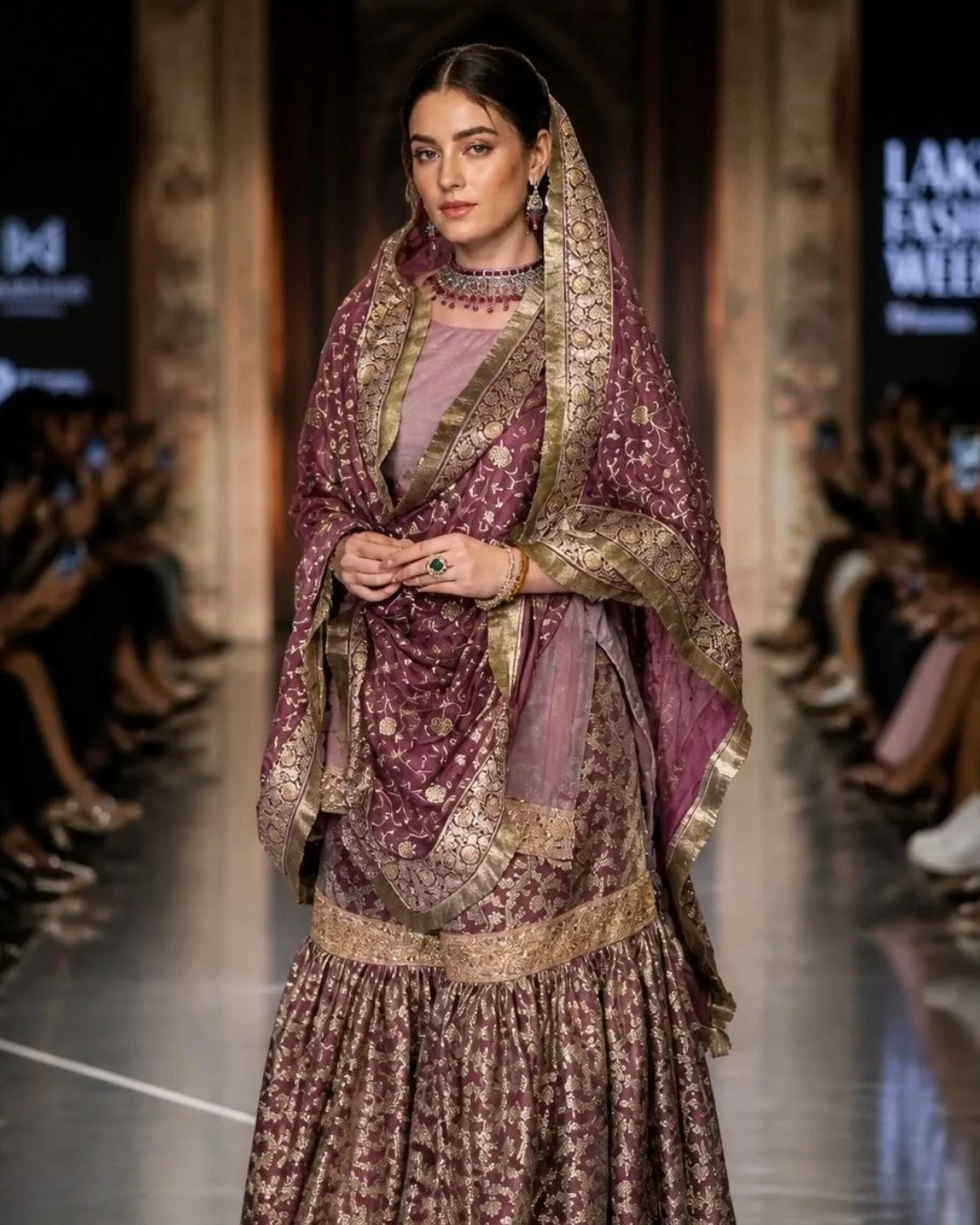
Some Indian outfits never lose their charm. The gharara is one of them.
Recognised for its distinctive construction, beautiful flare and graceful movement, the gharara has a special place in the traditional clothing heritage of the Indian subcontinent. Worn across generations for weddings, festive celebrations and special occasions, it continues to be a much-loved choice for women who appreciate the beauty of traditional Indian dressing.
From richly embellished wedding outfits to simpler contemporary designs, the gharara has evolved with changing tastes while retaining the features that make it unique.
Today, designers are bringing fresh interpretations to this classic silhouette through new fabrics, colours, proportions and styling.
At Zahrat, we believe a beautiful outfit should feel as good as it looks. Our approach to the gharara brings together the richness of Indian heritage, thoughtful design, comfort and ease of movement. We pay attention not only to how a garment looks, but also to how it falls, feels and moves with the woman wearing it.
In this guide, we explore what makes a gharara distinctive, its cultural heritage, how it differs from a sharara, the fabrics and styles available, and how to choose and wear one today.
A gharara is a traditional Indian outfit featuring wide, flared trousers, usually worn with a kurta and dupatta.
What makes a traditional gharara different is its construction. The upper portion of the trousers extends from the waist towards the knee area. Around the knee, a stitched joint connects it to the lower portion, which opens into a much wider flare.
This joint is an important feature of the gharara. It may be highlighted with embroidery, gota, lace or a decorative fabric detail. Below it, the fabric spreads into wide panels, creating the characteristic volume and movement.
The upper portion does not have to be fitted. Depending on the design, it can have a relaxed, straight or more shaped cut. The overall appearance is influenced by the fabric, the amount of flare, the construction and the way the outfit is styled.
A gharara is commonly paired with:
- A short, medium-length or long kurta
- A dupatta that complements the outfit
- Traditional or contemporary jewellery
- Footwear suited to the occasion
The beauty of the gharara lies in how these elements come together to create an outfit that feels distinctly Indian while offering plenty of room for personal style.

The gharara has a long-standing place in the traditional clothing heritage of the Indian subcontinent. It has been worn by women across different regions and communities, becoming a familiar choice for weddings, festive gatherings and important celebrations.
The silhouette is particularly associated with the refined clothing traditions of Lucknow and Awadh, where elaborate fabrics, decorative details and graceful occasionwear became an important part of traditional dressing.
However, the gharara is not limited to one region. Its popularity extends across the Indian subcontinent, including India, Pakistan and Bangladesh, where it continues to be worn and interpreted in different ways.
Over generations, preferences in fabric, colour, embellishment and styling have evolved. Some ghararas retain a traditional appearance with rich fabrics and detailed borders, while others use lighter materials and simpler finishes.
Today, the gharara is also embraced by women living around the world who want to celebrate their cultural roots through Indian clothing.
Its lasting appeal comes from its ability to remain recognisably traditional while adapting to changing styles and occasions.
Ghararas and shararas are often confused because both feature wide, flared trousers and are generally worn with a kurta and dupatta.
However, the main difference is in their construction.
A gharara has a distinctive stitched joint around the knee area. The lower portion opens into a wide flare from this joint, giving the trousers their characteristic shape.
A sharara generally has a continuous flare from the waist or hip area towards the hem, without the defining knee joint found in a traditional gharara.
Both outfits can look equally beautiful, but their silhouettes and construction are different.
When choosing between the two, consider the look you prefer. A gharara offers a distinctive joint and a dramatic lower flare, while a sharara creates a more continuous, flowing shape.
For a more detailed comparison, read our guide: Sharara vs Gharara: Understanding the Difference.
Ghararas are not limited to one particular style. Their appearance can change significantly depending on the fabric, cut, flare, detailing and overall design.
Here are some popular interpretations.
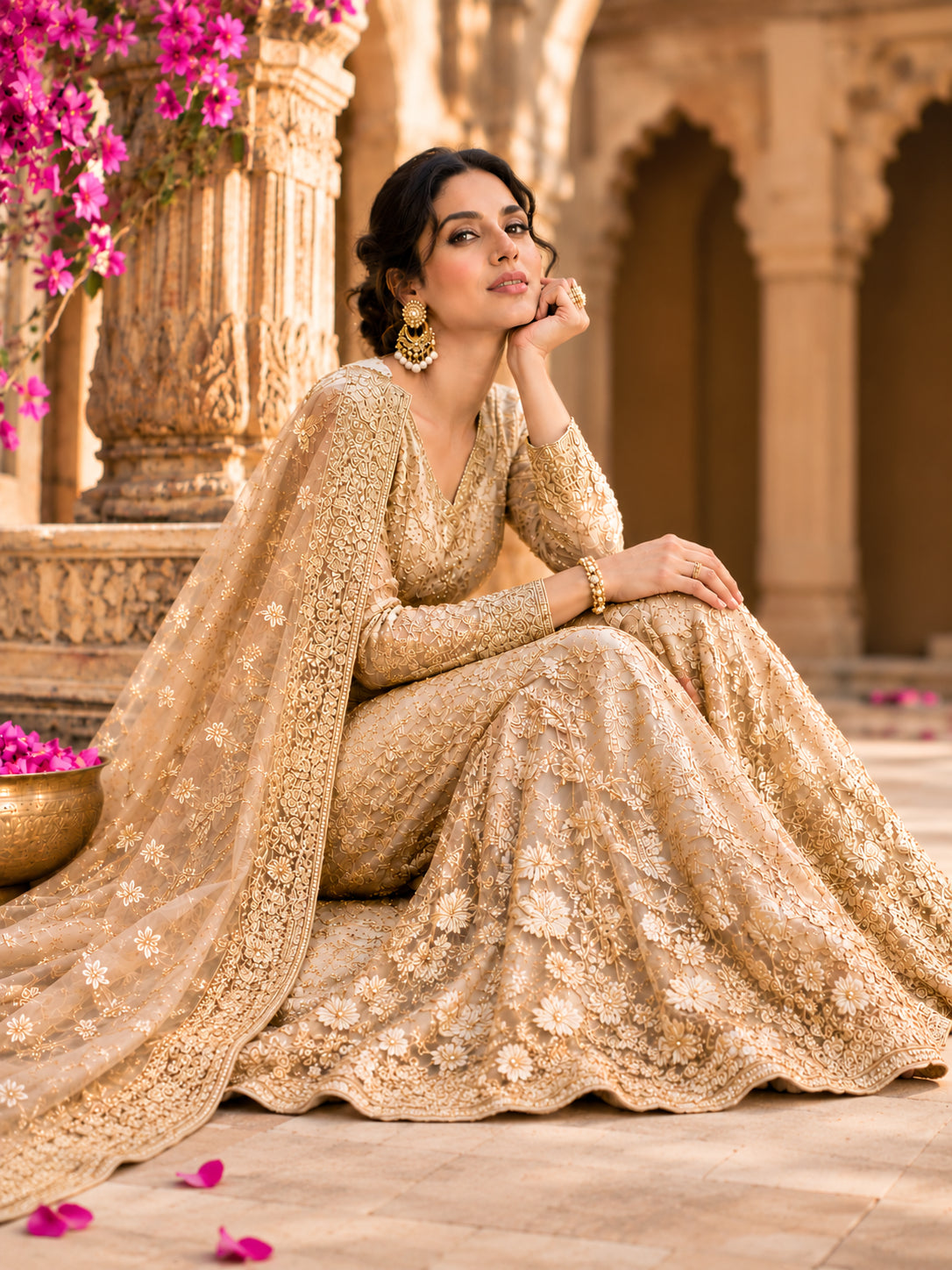
Traditional ghararas often feature rich fabrics, decorative knee joints, embroidered borders and detailed finishes.
They are especially suited to weddings, festive occasions and celebrations where a more classic Indian look is desired.
Brocade ghararas bring together texture, pattern and a rich appearance. The woven designs in brocade fabric add depth and character without always requiring heavy embellishment.
They work beautifully for wedding functions, festive gatherings and evening celebrations.
A brocade gharara can be styled with a relatively simple kurta and dupatta, allowing the fabric itself to stand out.
Embroidered ghararas feature decorative work on the trousers, kurta or dupatta. The detailing may be concentrated around the knee joint, lower panels or hemline.
Depending on the embroidery and fabric, these designs can range from understated occasionwear to elaborate wedding ensembles.
Modern ghararas reinterpret the traditional silhouette through fresh colour combinations, interesting fabric choices, cleaner detailing and updated proportions.
Some designs use minimal embellishment, while others experiment with contrasting fabrics, distinctive borders and coordinated separates.
They are a good choice for women who appreciate traditional Indian clothing but prefer a more contemporary look.
A bridal gharara is a beautiful alternative to the conventional bridal lehenga.
It may feature rich fabrics, detailed embroidery, elaborate borders and a statement dupatta. The overall design can be traditional, contemporary or a combination of both.
The right bridal gharara should balance visual richness with comfort, allowing the bride to move and enjoy her celebrations.
Fabric plays an important role in the appearance, movement and comfort of a gharara. Since the lower portion usually has considerable volume, the choice of material can make a noticeable difference.
Here are some fabrics commonly used for ghararas.
Brocade is known for its woven patterns and rich texture. It gives a gharara a dressed-up appearance and is particularly suitable for festive and wedding occasions.
Silk offers a smooth finish and a graceful fall. Depending on the type of silk, it can create anything from a structured silhouette to a softer, more flowing look.
Georgette is lightweight and has a fluid drape. It is a lovely option for ghararas that need movement without feeling too heavy.
Organza has a light, airy quality and can add volume and structure. It is often used when a more defined or delicate look is desired.
Velvet creates a rich, luxurious appearance and is particularly suited to winter weddings and evening celebrations.
The best fabric depends on the occasion, the amount of flare, the design and how comfortable you want the outfit to feel. A fabric should not only complement the design but also allow the garment to move naturally.
A gharara is known for its generous flare and distinctive silhouette, but its beauty should never come at the expense of comfort.
A well-designed gharara should allow you to walk, sit, move and enjoy an occasion with ease. The fabric, cut, proportions and construction all play an important role in achieving this balance.
The upper portion should offer comfortable room, while the lower panels should fall naturally and allow freedom of movement. The amount of flare, the weight of the fabric and the overall length should also be considered carefully.
A comfortable gharara does not need to look simple or understated. It can be richly embellished, beautifully structured and visually striking while still allowing the wearer to feel at ease.
Comfort does not mean compromising on elegance. With thoughtful design, a gharara can look graceful, feel comfortable and move beautifully with you.
At Zahrat, we believe the best occasionwear is clothing you can genuinely enjoy wearing — not simply admire in a photograph.
One of the best things about a gharara is its versatility. The same basic silhouette can look very different depending on the kurta, dupatta, jewellery and footwear you choose.
Choose a gharara in brocade, silk or an embellished fabric. Pair it with a beautifully detailed kurta, a coordinated dupatta and statement earrings.
For a more traditional appearance, consider a dupatta draped over one shoulder or across both shoulders.
A lighter gharara with subtle embroidery or a beautiful fabric can be ideal for festivals and family gatherings.
You can keep the jewellery simple and let the outfit do the talking.
Consider a contemporary gharara in a distinctive colour or with interesting detailing. A coordinated kurta and dupatta can create a polished look without making the outfit feel overly elaborate.
Darker colours, textured fabrics and refined embellishments can work particularly well for evening events.
Complete the look with elegant earrings, a clutch and footwear that complements the outfit.

A beautiful gharara is not only about its appearance. Its cut, construction and comfort matter just as much.
Before choosing one, consider the following:
1. Look at the overall silhouette
Pay attention to the shape of the upper portion, the placement of the knee joint and the width of the lower flare. These elements determine how the gharara looks when worn.
2. Consider the fabric
A heavier fabric may create a more structured appearance, while a lighter fabric can offer softer movement. Choose according to the occasion and your comfort.
3. Check the flare and length
The amount of flare and the length of the trousers affect the overall proportion of the outfit. The gharara should allow you to walk and move comfortably.
4. Pay attention to the knee joint
The stitched joint is a defining feature of a traditional gharara. Its placement, finishing and detailing contribute to the final appearance.
5. Choose a comfortable fit
A well-designed gharara should allow ease of movement. The upper portion should offer comfortable room, and the lower flare should fall naturally without restricting movement.
6. Think about how you will style it
Consider the kurta length, dupatta, footwear and jewellery together. A balanced combination can make the entire outfit look more refined.
Both options have their advantages.
A ready-to-wear gharara is convenient when you want an outfit that is already designed and available in standard sizes. It is a practical choice when the size and proportions work comfortably for you.
A made-to-measure gharara allows the garment to be adjusted according to your measurements and preferred fit. This can be particularly useful when you want more control over the length, waist, comfort and overall proportions.
Whichever option you choose, the aim should be the same: an outfit that looks beautiful, feels comfortable and allows you to move with confidence.
Indian occasionwear continues to evolve. Women today want outfits that reflect their cultural roots but also suit their personal style and the way they live.
The gharara fits naturally into this changing wardrobe.
It can be traditional without feeling dated, elaborate without being excessive, and distinctive without compromising comfort.
A simple brocade gharara with a refined kurta can make a statement at a wedding. A lighter version can be worn for a festive lunch. A more elaborate design can become a memorable bridal or engagement outfit.
The possibilities are wide, and that is what makes the silhouette so enduring.
At Zahrat, we believe that traditional Indian silhouettes deserve thoughtful design and a place in the modern wardrobe.
Our approach to the gharara brings together heritage, contemporary aesthetics, comfort and ease of movement. We pay attention to the details that shape the final garment — fabric, proportion, construction, flare, finishing and fit.
We believe a gharara should do more than look beautiful. It should feel comfortable to wear, allow natural movement and make a woman feel at ease throughout her occasion.
From richly textured brocade ghararas to contemporary occasionwear designs, each piece reflects our appreciation for the silhouette and our belief that elegance and comfort belong together.
Our collections offer ready-to-wear and made-to-measure options, bringing together considered design with the flexibility of a comfortable fit.
At Zahrat, the aim is not to change what makes a gharara special. It is to present this much-loved Indian silhouette in a way that feels relevant, comfortable and beautiful today.
Explore the Zahrat Gharara Collection:
Discover Designer Ghararas by Zahrat
A gharara is a traditional Indian outfit featuring wide, flared trousers, usually paired with a kurta and dupatta. A traditional gharara is distinguished by a stitched joint around the knee area, below which the fabric opens into a wide flare.
Yes. The gharara is a familiar part of traditional occasionwear across the Indian subcontinent, including India, Pakistan and Bangladesh. Its fabrics, styling and decorative details vary across regions and communities.
The main difference is the construction. A gharara has a stitched joint around the knee, followed by a wide lower flare. A sharara generally has a continuous flare from the waist or hip towards the hem.
Not necessarily. The upper portion of a gharara can be relaxed, straight or more shaped, depending on its design. It does not have to be fitted. The defining feature of a traditional gharara is the stitched joint around the knee and the wide flare below it.
Yes. A thoughtfully designed gharara can offer excellent ease of movement. The fabric, upper portion, flare, length and overall construction all contribute to comfort. A good design should allow you to walk, sit and enjoy your occasion comfortably.
Yes. Ghararas are a popular choice for weddings, receptions, engagement ceremonies and pre-wedding celebrations. The fabric, colour and level of embellishment can be chosen according to the occasion.
Absolutely. A lighter gharara with subtle detailing can be a lovely choice for festivals, family gatherings and other celebrations.
Brocade, silk, georgette, organza and velvet are all used for ghararas. The best fabric depends on the occasion, desired silhouette, amount of flare and personal comfort.
Yes. A gharara can be paired with short, medium-length or long kurtas. The choice depends on the design and the overall look you want to create.
Yes. Contemporary ghararas can feature simpler detailing, fresh colours, interesting fabric combinations and updated proportions. They can be styled with both traditional and modern accessories.
Look at the fabric, knee-joint construction, lower flare, length, finishing and comfort. A well-designed gharara should have balanced proportions and allow you to move with ease.
Yes. Made-to-measure options allow the outfit to be adjusted according to your measurements and preferred fit. Zahrat offers both ready-to-wear and made-to-measure designs.
A silhouette shaped by tradition, appreciated for its distinctive construction and reimagined for the modern woman.
Thoughtfully designed for beauty, comfort and ease of movement, explore Indian ghararas at Zahrat.
Explore the Gharara Collection
Zahrat — Rooted in Heritage. Reimagined for Today.